- Noticias
- 4548 views
Accidents due to electrical hazards at work can have highly serious medical consequences for the employee. This is why training and compliance with preventive measures, together with certified equipment, are essential to avoid this type of incident in the company.
It is impossible to completely avoid accidents, but we can do everything in our power to protect our workers from electrical risks derived from certain jobs.
In the following article we will talk about the personal protective equipment for electrical work that is necessary to carry out the work safely.

electrical risk at work
Accidents due to electrical hazards at work can have highly serious medical consequences for the employee. This is why training and compliance with preventive measures, together with certified equipment, are essential to avoid this type of incident in the company.
It is impossible to completely avoid accidents, but we can do everything in our power to protect our workers from electrical risks derived from certain jobs.
In the following article we will talk about the personal protective equipment for electrical work that is necessary to carry out the work safely.

Electric shock by direct or indirect electrical contact.

Burns as a result of an electric arc caused by a short circuit.

Falls or blows as a result of shock or electric arc.

Explosions due to the accumulation of electrostatic charges generating explosive atmospheres.
Electrical protection equipment
Electrical protective equipment (PPE) serves to protect the worker from the risks derived from work and must always meet the minimum safety and hygiene requirements.
In the case of PPE for electricians , they vary depending on whether the work is carried out at low voltage or at high voltage . On the other hand, in ATEX environments (Explosive Atmospheres) it is necessary, at least, to use Fireproof Clothing (EN11612) and Antistatic (EN1149-5).
low voltage PPE
All PPE must meet the requirements defined in EU Regulation 2016/425, regarding personal protective equipment (PPE).
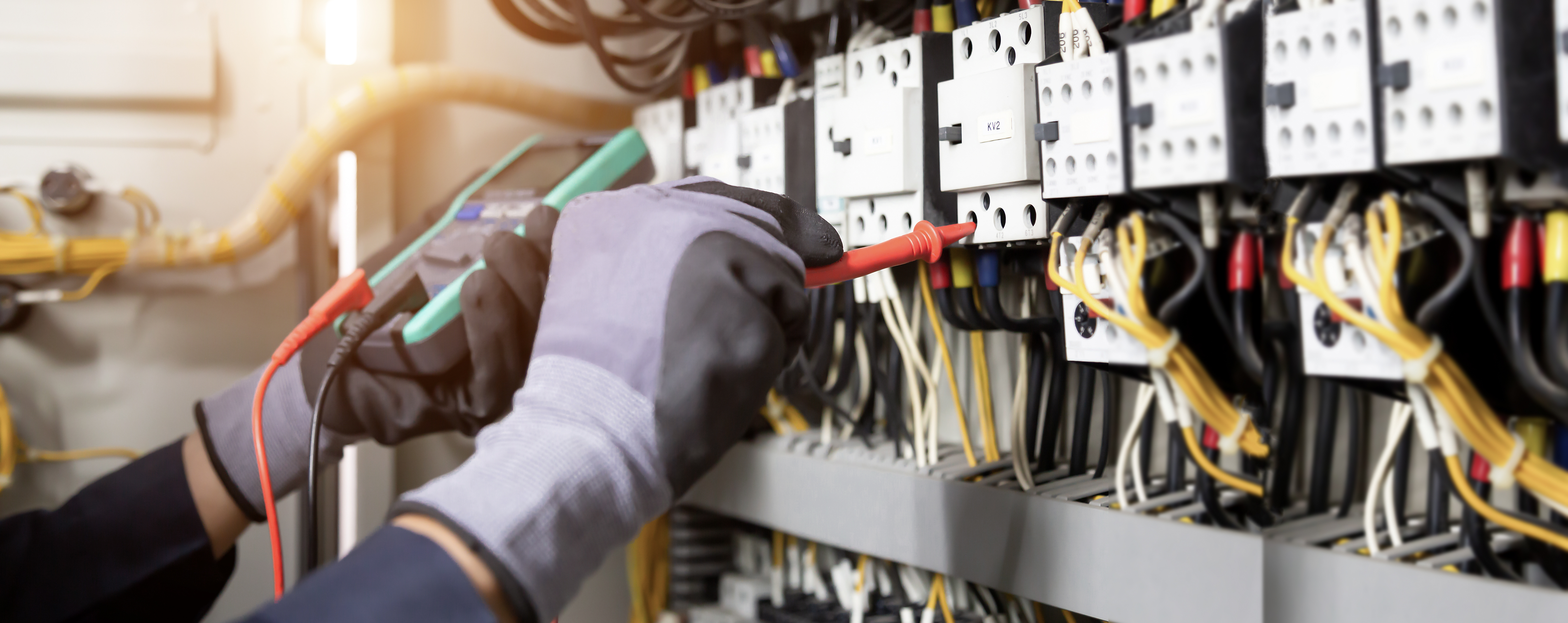
- Hand and arm protection: gloves or mitts made of insulating material that provide electrical protection.
- Foot protection: safety footwear designed to offer great electrical resistance and prevent current from entering the user's body
- Head protection: electrically insulating helmets for use in low voltage installations
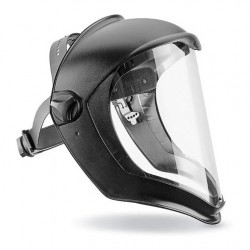
- Eye protection: certified face shields are the only valid eye protectors for this area of the body.
- Protective clothing: insulating protective clothing for work with low-voltage installations, intended to be used by qualified electricians
high voltage PPE
High voltage PPE is subject to a “double regulation” : RD 773/1997 and RD 1407/1992.
- Insulating accessories: this is equipment for covering active parts or masses, with a level of insulation verified by electrical tests.
- Insulating or insulated tools: they are equipment that have an insulating coating according to technical standards. Equipment such as tools, tweezers, test leads, …
- Insulating poles: they are used to carry out tasks without the need to approach or be in contact with active areas in the installation.
- Insulating or isolated devices: they are devices that provide insulation with respect to earth.
- PPE electrical risk INSHT: they are equipment to protect against serious or fatal risks. They have to bring with them the CE marking and category III.
As you have seen, there are various risks to which we can expose ourselves without the proper equipment to work. For this reason, it is essential to have adequate labor protection equipment for each task, risk and need.
At Impotusa we are leaders in the labor protection equipment sector. If you need advice, contact us , we will be happy to help you.